Tips

rta rules for car ift
Tips

RTA Rules for Car Lift in the UAE?

Car lift services are very common in the UAE, especially in cities like Dubai, Abu Dhabi, and Sharjah. Many people use them daily for work, school, and intercity travel.  But one important question is: what are the RTA rules for car lift services in the UAE? The answer is simple: car lift services are allowed only if they follow strict rules set by authorities like the Roads and Transport Authority (RTA). If these rules are not followed, the service becomes illegal. This guide explains the real RTA rules in simple terms so you can understand what is allowed and what is not. What Is RTA and Why Does It Matter The Roads and Transport Authority (RTA) is the government body that controls transport rules in Dubai and works with other authorities across the UAE. It regulates: All transport services, including car lifts, must follow RTA rules to operate legally. Are Car Lift Services Legal in UAE? Yes, car lift services are legal only if they are licensed and approved. Illegal car lifts usually operate: The RTA has clearly stated that transporting passengers for money without proper approval is a violation of transport rules. So, the first and most important rule is: Only licensed car lift companies are allowed to operate. Rule 1: Proper License Is Mandatory Any car lift service must have: Drivers using personal cars for paid rides without permission are breaking the law. If a service cannot show a license, it is unsafe and illegal. Rule 2: Vehicles Must Be Registered and Approved Not every car can be used for car lift services. Vehicles must: RTA requires vehicles to meet technical and safety requirements before approval. Using a normal private car without commercial approval is not allowed. Rule 3: Drivers Must Be Authorized Drivers must: Some companies also require: Unauthorized drivers operating car lifts are illegal. Rule 4: No Private Car Lift Without Permit This is one of the most important rules. You cannot: Even if you are helping people daily and charging money, it is considered illegal transport without approval. This is where many people make mistakes. Rule 5: Follow Fixed Routes and Contracts Licensed car lift services usually operate: This ensures: Random pick-and-drop services without structure may raise legal issues. Rule 6: Insurance Is Required All legal car lift services must provide: If an accident happens in an illegal car lift, passengers may not be covered. Insurance is a key safety rule in UAE transport laws. Rule 7: No Overcrowding Allowed Vehicles must follow seating capacity rules. This means: Overcrowding is unsafe and can result in fines. Rule 8: Vehicles Must Be Well Maintained RTA requires vehicles to stay in good condition. This includes: All vehicles must pass inspection to stay road legal. Poor vehicle condition can lead to penalties or service suspension. Rule 9: No Misleading Advertising Illegal car lift services often advertise: RTA monitors such activities, especially online promotions. If a service hides details or operates without a company name, it is likely illegal. Rule 10: Fines for Illegal Car Lift Services Using or operating illegal car lift services can result in: Authorities regularly monitor and take action against illegal transport activities in the UAE. Why These Rules Are Important RTA rules are not just formalities. They are made to: Following these rules creates a safe and reliable transport system. How to Check If a Car Lift Is Legal Before using a car lift service, ask these simple questions: If the answer is unclear, avoid the service. Safe Alternative: Licensed Car Lift Services The best option is to choose: Licensed services may cost slightly more, but they offer: Final Thoughts RTA rules for car lift services in the UAE are clear: Only licensed, approved, and regulated services are allowed. Illegal car lifts may seem cheaper, but they come with serious risks like no insurance, unsafe driving, and legal problems. If you want safe and stress-free travel, always choose a professional and authorized car lift service that follows RTA regulations.

how to split cost in carpooling
Tips

How Do You Split Costs in a Carpool?

Carpooling is one of the smartest ways to save money on daily travel. Whether you are commuting to work, traveling between cities, or sharing rides with friends, splitting costs fairly helps everyone enjoy the benefits of carpooling without confusion. But many people ask the same question: how do you split costs in a carpool fairly? The simple answer is that carpool costs are usually divided based on fuel expenses, travel distance, tolls, parking fees, and how often each person rides. When done correctly, cost sharing keeps things fair for both the driver and the passengers. In this guide, we explain the easiest ways to split carpool costs and how to make the arrangement smooth for everyone. Why Splitting Costs Matters in Carpooling Carpooling reduces the travel burden for everyone. Instead of one person paying for all the fuel and vehicle expenses, the group shares the cost. This helps with:• Lower fuel expenses• Less vehicle wear per person• Reduced parking costs• Fairness for the driver• Better long-term cooperation Without proper cost sharing, the driver may feel burdened, and passengers may feel uncertain about what to pay. That is why having a fair cost-sharing plan is important from the beginning. Start With Fuel Costs The most common expense in a carpool is fuel. This is usually the first thing people split. To calculate fuel cost: For example, if a round trip costs AED 40 in fuel and there are 4 people in the car, each person pays AED 10. This is the simplest and most common method. Consider Tolls and Parking Fees In many areas, toll fees and parking charges add to the travel cost. These expenses should also be shared among the passengers. Examples include:• Highway toll gates• Paid parking lots• City congestion fees If the driver pays AED 20 for tolls and parking during the trip, this amount can be divided equally among the group. Fuel is not the only expense. Fair splitting includes all travel-related charges. Split Based on Distance Sometimes passengers travel different distances. One person may join for the full route, while another may only ride part of the way. In that case, equal splitting may not be fair. Instead, divide costs based on distance:• Longer-distance passengers pay more• Shorter-distance passengers pay less For example:If the total cost of the carpool from Abu Dhabi to Dubai is AED 60:• Passenger A rides the full trip → pays AED 25• Passenger B rides half the trip → pays AED 15• Passenger C rides half the trip → pays AED 20 This method works well for daily commuting routes where passengers get dropped off at different locations. Factor in Driving Frequency In some carpools, drivers rotate. One person drives on Monday, another drives on Tuesday, and so on. When everyone takes turns driving, direct payments may not be needed because each person shares the driving responsibility. This method works best when:• Routes are similar• Drivers rotate equally• Fuel costs are similar If one person drives more often, others may contribute extra money to balance the cost. Include Vehicle Wear and Tear Fuel is the main cost, but driving also causes:• Tire wear• Oil usage• Maintenance• Depreciation Some carpools include a small extra contribution to help cover these costs. For example:If fuel costs AED 40, passengers may contribute AED 50 total, giving AED 10 extra for maintenance. This is especially useful when one person is always driving. Use Equal Splitting for Simplicity If everyone travels the same route daily, the easiest method is equal splitting. Example:• Total daily cost = AED 60• Total riders = 4• Each pays AED 15 This is easy to manage and avoids constant recalculation. Equal splitting works best when:• Everyone rides the same distance• Costs stay stable• The same driver is used regularly Simple arrangements reduce misunderstandings. Decide Payment Schedule To avoid confusion, decide how often payments are made. Common payment schedules:• Daily• Weekly• Monthly Monthly payment is often easiest for regular commuters because it avoids daily cash handling. For example:If one passenger pays AED 15 daily for 22 workdays: AED 15 × 22 = AED 330 monthly Fixed monthly payments make budgeting easier for everyone. Use Digital Payments Digital payments make cost splitting easy and transparent. People often use:• Bank transfers• Payment apps• Mobile wallets Digital payments help:• Avoid missed payments• Keep records• Reduce cash issues This is especially useful for regular carpools. Be Clear From the Start Many carpool problems happen because people do not discuss money clearly. Before starting, agree on:• Total monthly cost• Payment schedule• Fuel sharing rules• Tolls and parking• Extra maintenance contributions Clear agreements prevent arguments later. Adjust Costs If Prices Change Fuel prices can rise or fall. Toll costs can also change. It is a good idea to review the shared amount every month or whenever major expenses change. For example:If fuel costs rise by 20%, the group may increase contributions slightly. Regular updates keep the arrangement fair. Benefits of Fair Carpool Cost Sharing When costs are split fairly, everyone benefits:• Driver saves money• Passengers pay less than taxis• Group cooperation improves• Travel becomes affordable• Everyone feels respected Fairness makes the carpool sustainable over the long term. Final Thoughts Splitting carpool costs does not need to be complicated. The best method depends on:• Fuel costs• Distance traveled• Tolls and parking• Driving frequency For most carpools, the easiest approach is to calculate total travel costs and divide them fairly among the passengers. When everyone understands the arrangement and contributes properly, carpooling becomes one of the most affordable and practical ways to travel.

cheapest way to travel from dubai abu dhabi
Tips

What’s the Cheapest Way to Travel from Dubai to Abu Dhabi?

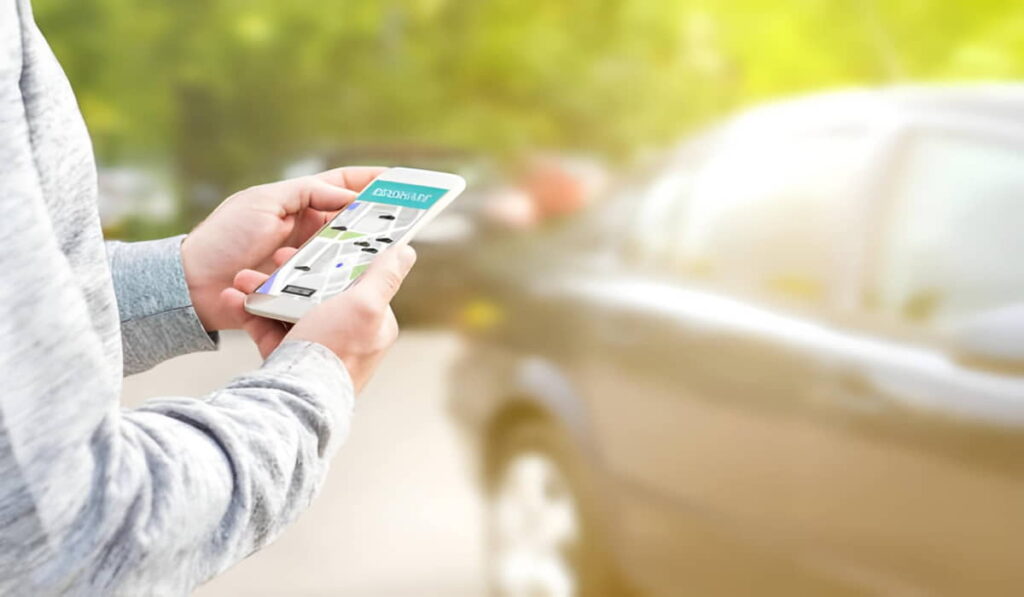
The cheapest way to travel from Dubai to Abu Dhabi is by carpooling, also known as a car lift service. You split the cost and pay around 20-25 AED per trip, which is far less than any other option. Car lift services work like ride-sharing. You book the ride. The driver picks up multiple passengers along the route. Everyone pays a small share of the total fare. This beats every other method when you’re watching your wallet. Let’s break down why. Why Car Lift Services Win You’re not paying for the whole ride alone. Three or four people share one car. The driver gets paid. You save money. It’s that simple. Most car lift rides from Dubai to Abu Dhabi cost 15-25 AED, depending on pickup points. Compare that to a private taxi at 250 AED or more. The math speaks for itself. How to Book a Car Lift Book through the website or check Facebook groups for Dubai-Abu Dhabi carpools. Many groups connect daily commuters. People post their travel times and split costs evenly. Book your spot a day ahead if possible. Morning and evening slots fill up fast. Confirm the pickup location and time with your driver. Other Budget Options (If Car Lifts Aren’t Available) Public Bus: The E100 and E101 buses run between Dubai and Abu Dhabi. Tickets cost around 25 AED one way. Buses leave every 30-40 minutes from Al Ghubaiba Bus Station. The ride takes about 2 hours with stops. You’ll get AC and comfortable seats. But you’re stuck to the bus schedule. Shared Taxi: Shared taxis wait at designated spots in Deira and Bur Dubai. They leave when full (usually 4-6 passengers). Cost runs 30-50 AED per person. These taxis are faster than buses. But you might wait 30 minutes for enough passengers. Comfort varies by vehicle condition. Options to Avoid (Too Expensive) Private taxis charge 250-300 AED for the trip. That’s 10 times more than carpooling. Only makes sense if you’re traveling with a group of four or more. Rental cars seem cheap at first. But factor in fuel, tolls, and parking. You’ll spend 150-200 AED easily. Plus, you deal with driving stress and finding parking in Abu Dhabi. Tips to Save Even More Money Travel during off-peak hours. Midday rides (10 AM – 3 PM) sometimes cost less. Fewer people compete for spots. Join regular carpool groups if you make this trip often. Weekly or monthly arrangements bring prices down further. Some people negotiate flat rates with regular drivers. Pack light. Some drivers charge extra for big luggage. A backpack or small bag keeps things simple. Safety Tips for Car Lifts Check driver ratings before booking. Read reviews from other passengers. Stick with verified drivers on official apps. Share your trip details with a friend. Send them the driver’s name and license plate number. Most apps have built-in trip-sharing features. Sit in the back seat if you’re traveling alone. Keep your phone charged. Trust your gut; if something feels off, cancel and book another ride. Best Times to Travel Avoid Thursday evenings and Friday mornings. Everyone heads to Abu Dhabi for the weekend. Prices jump and availability drops. Tuesday and Wednesday midday offer the best deals. Fewer travelers mean more bargaining power. Drivers want to fill seats. The Bottom Line Car lift services cut your travel costs by 90% compared to private options. You meet new people. You help the environment by reducing the number of cars on the road. Book through trusted apps or established Facebook groups. Plan ahead during busy times. Keep safety in mind. The Dubai-Abu Dhabi route is perfect for carpooling. Thousands make this trip daily. Someone’s always heading your direction. Your 15-25 AED gets you comfortable travel between two major cities. That’s less than a coffee at the mall. Smart travelers know this secret. Skip the expensive taxis. Say no to rental car hassles. Go with car lifts and keep your money for better things in Abu Dhabi.

is car lift safer
Tips

Is Using a Car Lift Service Safer in UAE?

Yes, using a professional car lift service in the UAE can be safe if you choose a licensed and reliable provider. Many residents across Dubai, Abu Dhabi, Sharjah, and other emirates use car lift services daily for work, school, and long-distance travel. But safety depends on the company you select. In this guide, I’ll explain clearly what makes a car lift service safe in the UAE, what risks to avoid, and how to choose the right provider. What Is a Car Lift Service in UAE? A car lift service is a private pick and drop transport service. It is commonly used for:• Daily office commuting• School transport• Dubai to Abu Dhabi travel• Airport transfers• Staff transportation Unlike taxis, car lifts usually operate on monthly packages or fixed daily routes. Is It Legal in the UAE? Car lift services are legal only if the company is properly licensed and approved by transport authorities. Illegal car lift operators do exist, especially those advertising on WhatsApp or social media without proper permits. Using an unlicensed car lift is risky and can lead to:• Fines for drivers• Safety concerns• No insurance coverage• No passenger protection So safety starts with choosing a registered and authorized company. Why Car Lift Services Can Be Safer When operated legally and professionally, car lift services can actually be safer than random ride options. 1. Professional Drivers Licensed car lift companies hire trained drivers who:• Hold valid UAE driving licenses• Know traffic rules well• Have route experience• Follow safety standards Experienced drivers reduce accident risks and ensure smooth daily travel. 2. Regularly Maintained Vehicles Good car lift companies maintain their vehicles regularly. This includes:• Brake checks• Tire inspection• Engine servicing• Air conditioning maintenance• Clean interiors Well-maintained cars are far safer than poorly maintained private vehicles. 3. Fixed Pick-Up and Drop Timing Unlike taxis or random ride-sharing, car lift services operate on fixed routes and schedules. This reduces:• Driver stress• Sudden route changes• Rash driving• Last-minute confusion Consistency improves safety. 4. Insurance Coverage Licensed car lift services provide proper passenger insurance. This gives peace of mind in case of unexpected incidents. Illegal operators usually do not provide this protection. 5. Background-Checked Drivers Reputable companies conduct background checks on their drivers. This adds an extra layer of safety, especially for:• School children• Female passengers• Corporate staff Is Car Lift Safer Than Public Transport? It depends on the situation. Public buses in the UAE are safe and regulated. However, car lift services offer:• Door-to-door convenience• Less crowding• More comfort• Personalized routes• Faster travel For long-distance commuting, such as Dubai to Abu Dhabi daily travel, car lift services are often more comfortable and practical. Is It Safe for Women? Yes, many women in the UAE use car lift services daily. To ensure safety:• Choose licensed companies• Check reviews• Confirm driver details• Share trip details with family if needed Some companies even offer female-only transport options for added comfort. Is It Safe for School Children? School car lift services can be safe if:• The vehicle is approved for school transport• The driver is experienced• Safety belts are available• Pick-up and drop timing is monitored Parents should avoid informal drivers and always verify credentials before booking. Risks of Choosing the Wrong Car Lift Safety issues usually happen when people choose very cheap, unlicensed operators. Risks include:• Overcrowded vehicles• Reckless driving• Poor vehicle condition• No insurance• No official registration If a price seems too low compared to the market, it is a red flag. How to Choose a Safe Car Lift Service in UAE Follow these simple steps: Professional companies will answer these questions confidently. Why Many UAE Residents Prefer Car Lift Services Thousands of workers and families use car lift services daily because they offer:• Cost savings compared to daily taxis• Reliable daily commuting• Less driving stress• Time management• Comfortable travel For people working long hours or traveling between emirates, car lift services reduce fatigue and improve daily routine safety. Dubai to Abu Dhabi Car Lift Safety One of the most common routes is Dubai to Abu Dhabi. Long daily driving can be exhausting. Professional car lift services reduce:• Driver fatigue• High fuel costs• Parking stress• Traffic pressure Using a registered intercity car lift service with trained drivers makes long-distance commuting safer and more comfortable. Final Answer: Is Using a Car Lift Service Safer in UAE? Yes, it can be very safe, if you choose a licensed, professional, and experienced car lift company. The safety depends on:• Company registration• Vehicle maintenance• Driver experience• Insurance coverage Avoid illegal operators and always verify credentials. When selected carefully, car lift services in the UAE provide safe, affordable, and convenient daily transportation for office workers, families, and students.

Scroll to Top