
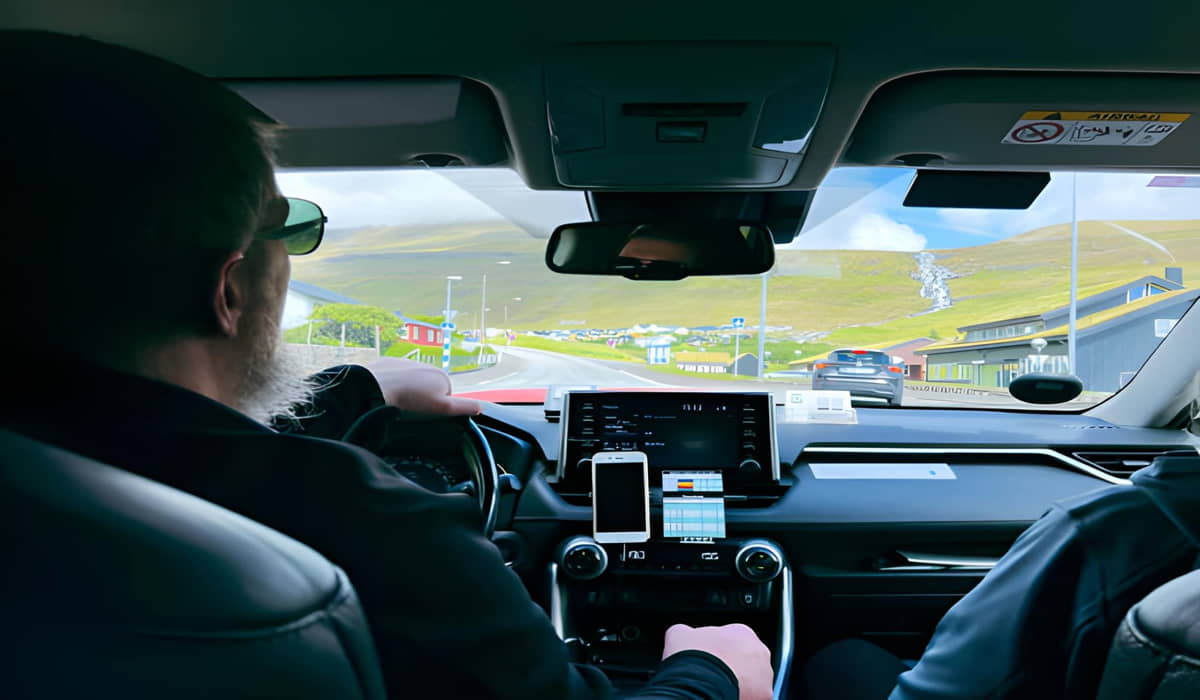
Carpooling is one of the smartest ways to save money on daily travel. Whether you are commuting to work, traveling between cities, or sharing rides with friends, splitting costs fairly helps everyone enjoy the benefits of carpooling without confusion.
But many people ask the same question: how do you split costs in a carpool fairly?
The simple answer is that carpool costs are usually divided based on fuel expenses, travel distance, tolls, parking fees, and how often each person rides. When done correctly, cost sharing keeps things fair for both the driver and the passengers.
In this guide, we explain the easiest ways to split carpool costs and how to make the arrangement smooth for everyone.
Why Splitting Costs Matters in Carpooling
Carpooling reduces the travel burden for everyone. Instead of one person paying for all the fuel and vehicle expenses, the group shares the cost.
This helps with:
• Lower fuel expenses
• Less vehicle wear per person
• Reduced parking costs
• Fairness for the driver
• Better long-term cooperation
Without proper cost sharing, the driver may feel burdened, and passengers may feel uncertain about what to pay.
That is why having a fair cost-sharing plan is important from the beginning.
Start With Fuel Costs
The most common expense in a carpool is fuel. This is usually the first thing people split.
To calculate fuel cost:
- Find the total distance traveled
- Calculate the fuel used
- Multiply by the fuel price
- Divide among passengers
For example, if a round trip costs AED 40 in fuel and there are 4 people in the car, each person pays AED 10.
This is the simplest and most common method.
Consider Tolls and Parking Fees
In many areas, toll fees and parking charges add to the travel cost. These expenses should also be shared among the passengers.
Examples include:
• Highway toll gates
• Paid parking lots
• City congestion fees
If the driver pays AED 20 for tolls and parking during the trip, this amount can be divided equally among the group.
Fuel is not the only expense. Fair splitting includes all travel-related charges.
Split Based on Distance
Sometimes passengers travel different distances. One person may join for the full route, while another may only ride part of the way.
In that case, equal splitting may not be fair.
Instead, divide costs based on distance:
• Longer-distance passengers pay more
• Shorter-distance passengers pay less
For example:
If the total cost of the carpool from Abu Dhabi to Dubai is AED 60:
• Passenger A rides the full trip → pays AED 25
• Passenger B rides half the trip → pays AED 15
• Passenger C rides half the trip → pays AED 20
This method works well for daily commuting routes where passengers get dropped off at different locations.
Factor in Driving Frequency
In some carpools, drivers rotate. One person drives on Monday, another drives on Tuesday, and so on.
When everyone takes turns driving, direct payments may not be needed because each person shares the driving responsibility.
This method works best when:
• Routes are similar
• Drivers rotate equally
• Fuel costs are similar
If one person drives more often, others may contribute extra money to balance the cost.
Include Vehicle Wear and Tear
Fuel is the main cost, but driving also causes:
• Tire wear
• Oil usage
• Maintenance
• Depreciation
Some carpools include a small extra contribution to help cover these costs.
For example:
If fuel costs AED 40, passengers may contribute AED 50 total, giving AED 10 extra for maintenance.
This is especially useful when one person is always driving.
Use Equal Splitting for Simplicity
If everyone travels the same route daily, the easiest method is equal splitting.
Example:
• Total daily cost = AED 60
• Total riders = 4
• Each pays AED 15
This is easy to manage and avoids constant recalculation.
Equal splitting works best when:
• Everyone rides the same distance
• Costs stay stable
• The same driver is used regularly
Simple arrangements reduce misunderstandings.
Decide Payment Schedule
To avoid confusion, decide how often payments are made.
Common payment schedules:
• Daily
• Weekly
• Monthly
Monthly payment is often easiest for regular commuters because it avoids daily cash handling.
For example:
If one passenger pays AED 15 daily for 22 workdays: AED 15 × 22 = AED 330 monthly
Fixed monthly payments make budgeting easier for everyone.
Use Digital Payments
Digital payments make cost splitting easy and transparent.
People often use:
• Bank transfers
• Payment apps
• Mobile wallets
Digital payments help:
• Avoid missed payments
• Keep records
• Reduce cash issues
This is especially useful for regular carpools.
Be Clear From the Start
Many carpool problems happen because people do not discuss money clearly.
Before starting, agree on:
• Total monthly cost
• Payment schedule
• Fuel sharing rules
• Tolls and parking
• Extra maintenance contributions
Clear agreements prevent arguments later.
Adjust Costs If Prices Change
Fuel prices can rise or fall. Toll costs can also change.
It is a good idea to review the shared amount every month or whenever major expenses change.
For example:
If fuel costs rise by 20%, the group may increase contributions slightly.
Regular updates keep the arrangement fair.
Benefits of Fair Carpool Cost Sharing
When costs are split fairly, everyone benefits:
• Driver saves money
• Passengers pay less than taxis
• Group cooperation improves
• Travel becomes affordable
• Everyone feels respected
Fairness makes the carpool sustainable over the long term.
Final Thoughts
Splitting carpool costs does not need to be complicated. The best method depends on:
• Fuel costs
• Distance traveled
• Tolls and parking
• Driving frequency
For most carpools, the easiest approach is to calculate total travel costs and divide them fairly among the passengers.
When everyone understands the arrangement and contributes properly, carpooling becomes one of the most affordable and practical ways to travel.